Corn Plant

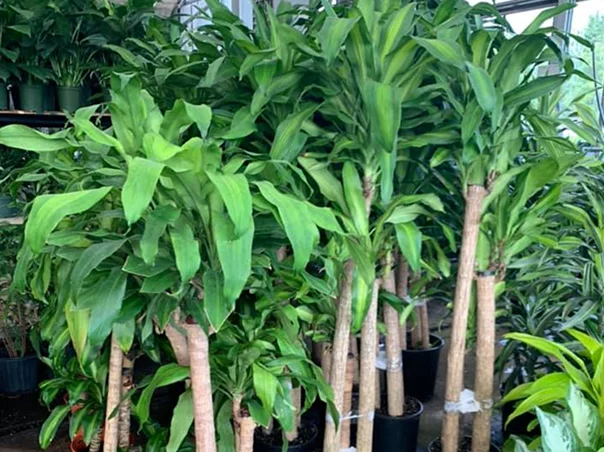
The Corn Plant, botanically known as Dracaena fragrans, is a popular indoor foliage plant valued for its graceful form, ease of care, and air-purifying qualities. Native to tropical regions of Africa, it is well adapted to indoor environments and commonly used in homes, offices, and commercial spaces. The plant features long, arching, lance-shaped leaves that resemble corn leaves, growing in rosettes along thick, woody canes. Leaf color varies by cultivar, ranging from solid deep green to variegated patterns with light green or yellow stripes running down the center. This upright, tree-like growth habit gives the plant a clean and elegant appearance.
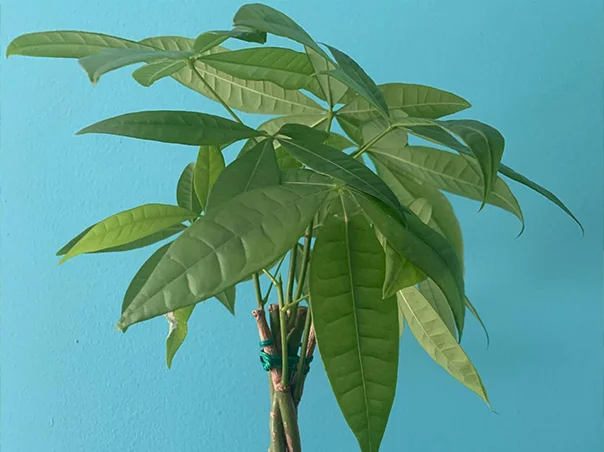
Pachira (money tree)

Pachira aquatica, commonly known as the Money Tree, is a popular ornamental houseplant valued for its attractive foliage and strong cultural symbolism. Native to the tropical wetlands of Central and South America, it thrives in warm, humid environments. Pachira aquatica is prized for its resilience, aesthetic appeal, and symbolic meaning, making it one of the most popular indoor plants worldwide.

Rhapis

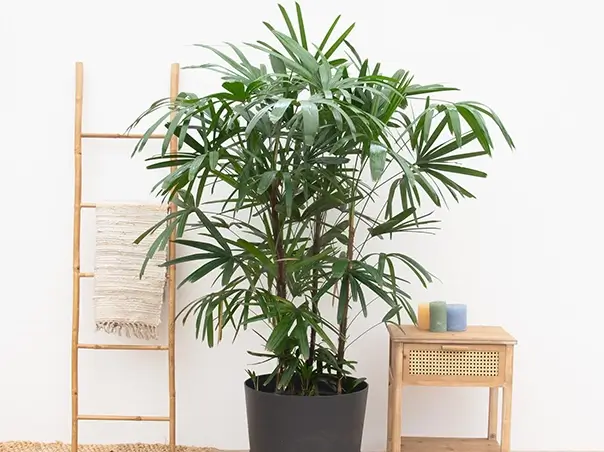
The Rhapis, commonly known as Lady Palm, is an elegant, slow-growing indoor plant admired for its fan-shaped foliage and graceful appearance. Native to parts of Asia, Rhapis features multiple slender, bamboo-like stems that rise from the base, creating a dense, clumping form. Its dark green leaves are divided into broad, glossy segments that spread outward like delicate hand-held fans, giving the plant a refined and tropical look.

Zamia

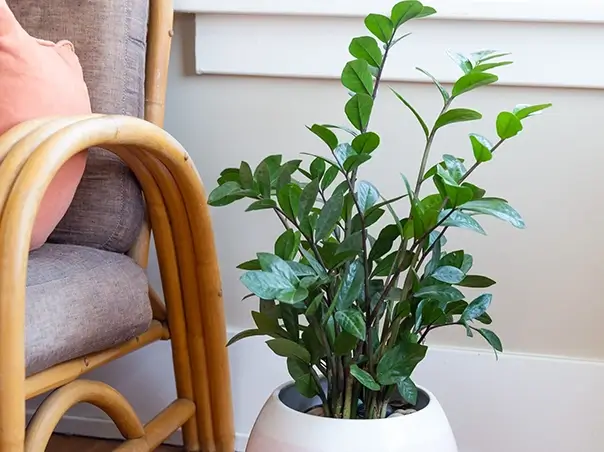
Palm-like, dioecious, low-growing plant with trunk short, sometimes underground, tuber-like; pinnae to 6 inches long and 1/4 inch wide, margins revolute. 

Emerald Gem

A compact, midnight green jewel! Leaves are semi-heart shaped and shine as if waxed. Branches well when propagated by tissue culture. Acclimatises to low light conditions without any problems. Good as a specimen plant and in larger interior compositions.

Ficus Alii

The Ficus alii, also known as the Alii fig or banana-leaf fig, is a graceful indoor plant admired for its long, narrow, arching leaves. Unlike the broader leaves of other ficus varieties, its foliage is slender and willow-like, creating a softer and more elegant appearance. The leaves are deep green with a subtle glossy finish, growing densely along upright, woody stems. Native to Southeast Asia, Ficus alii thrives in bright, indirect light and prefers consistent watering, allowing the top layer of soil to dry slightly between waterings.

Ficus Nitida

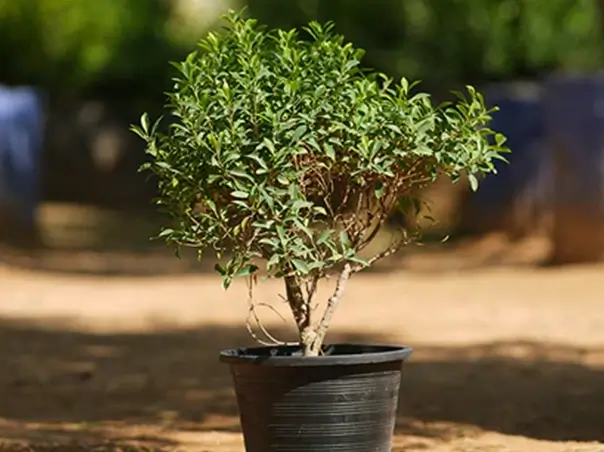
The Ficus nitida, commonly known as Indian laurel or Chinese banyan, is a dense, evergreen tree admired for its lush foliage and strong structure. It features glossy, oval-shaped leaves in a rich shade of green that create a thick, attractive canopy. The plant grows upright with a sturdy trunk and can be shaped easily, making it popular for hedges, privacy screens, and ornamental landscaping.

Ficus Tree

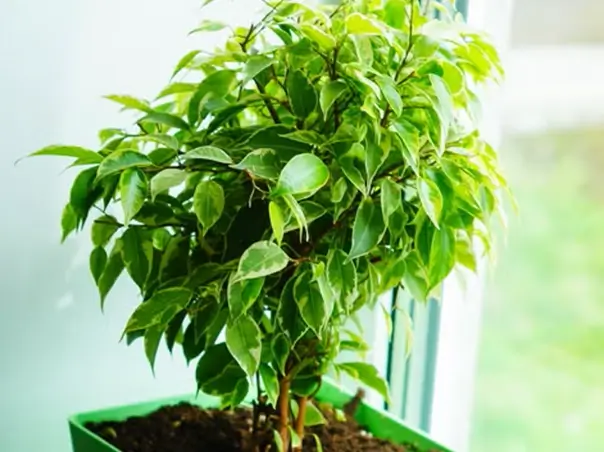
These plants, when new, have a tendency to drop a noticeable amount of leaves. Don't panic, this is due to the trees being grown in ideal conditions, they are adjusting to your environment. The leaf loss may occur over several months. Pick up fallen leaves and remove yellow ones still on the plant. Cut off dead and dry twigs. This helps light to penetrate to the inside foliage, to promote growth on the inside.

There are several different varieties of ficus. The plants with similar looking leaves are ficus nitida, nuda, and a longer leafed variety is called alii.

Fiddle Leaf Fig

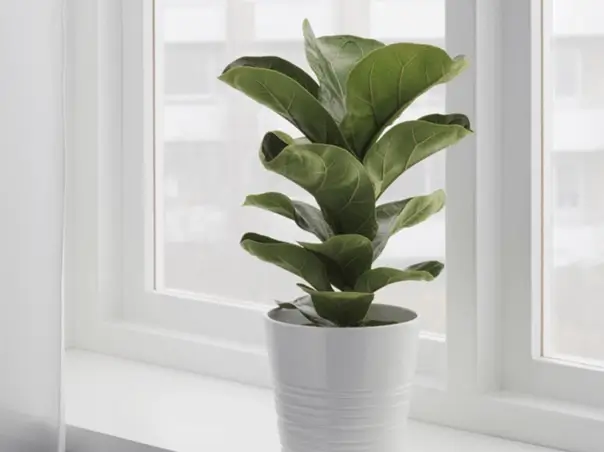
The leaves are wide and stiff, and shaped like the body of a fiddle. They can be bought in bush or tree form. If this plant is in too low a light situation the branches become elongated and new growth is dwarfed. Over watering results in edges of leaves becoming brown. Plant will droop and lose yellow leaves if under watered.

English Ivy

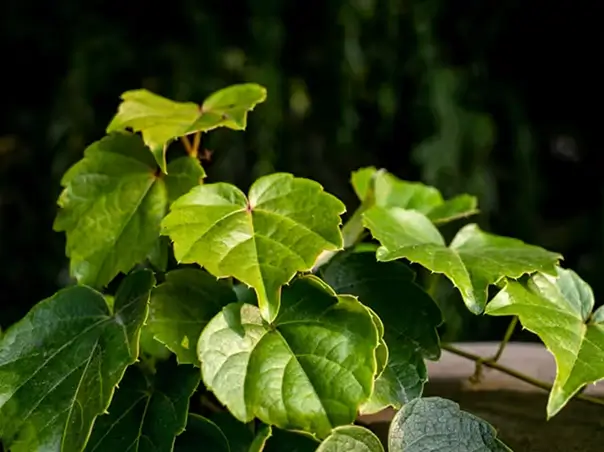
Hanging Ivies are elegant and rich looking, easy to grow, and they age gracefully. Keep an eye out for spider mite. If you catch the pest and spray early your ivy will stay healthy looking. We emphasize early pest detection because mites do extensive damage in little time.

They can be trained to cover shapes with their vines, but they need constant clipping directing. We prefer our ivies hanging or over a ledge. They need regular trimming to keep their shape. Cuttings can be easily rooted in water.

Lady Jane

The Lady Jane plant is the common name for Dracaena reflexa ‘Variegata’, a graceful ornamental houseplant admired for its striking foliage. It features long, narrow, arching leaves edged in creamy white or pale yellow, with rich green centers that create a bright, elegant contrast. The leaves grow in clusters along slender, woody stems, giving the plant a soft yet structured appearance that suits modern interiors beautifully.

Red Emerald

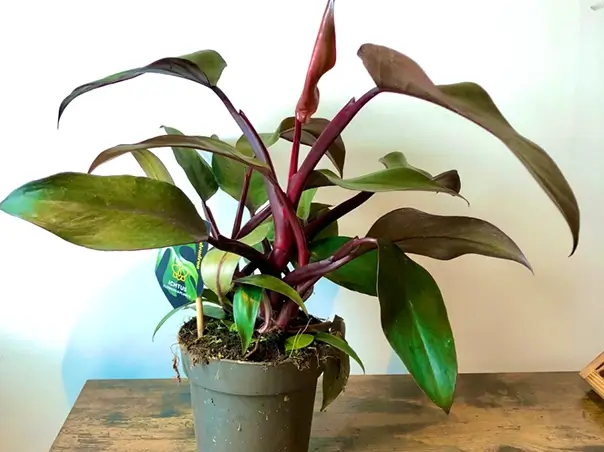
Red emerald is an easy house plant with pretty red stems and leaf stalks. It will sprawl with age unless it is trimmed. Propagation is by stem cuttings which root easily in water.

Xanadu

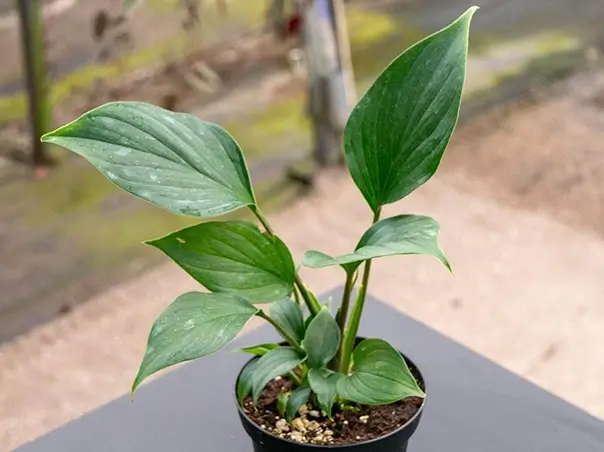
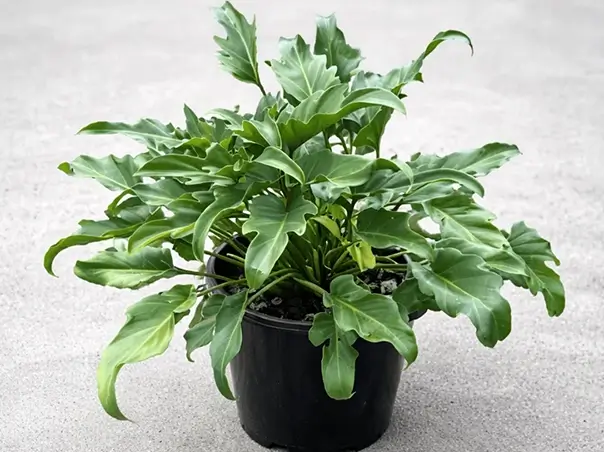
The Philodendron xanadu, commonly known as the Xanadu plant, is a lush, tropical evergreen admired for its compact, bushy growth and deeply lobed leaves. Native to South America, this plant features glossy, rich green foliage that spreads outward in a dense, layered form, creating a full and vibrant appearance. Unlike climbing philodendrons, Xanadu grows in a tidy, clumping habit, making it perfect for both indoor décor and shaded garden landscapes.

Norfolk Island Pine

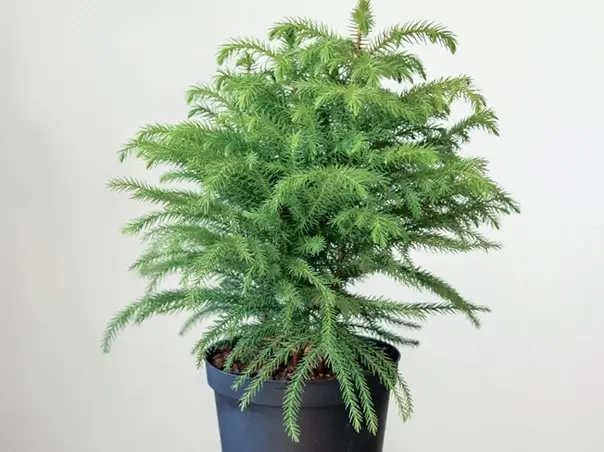
Norfolk pines have distinctively flat branches and short soft needles. They enjoy humid environments. With age, and lack of humidity, the needles along the trunk will fall off. Dead, lower branches, are a sign that the plant has been dehydrated. The dry needles will not come back. These plants do best with consistency stay on a watering schedule. Over watering results in sporadic bright yellow needle clusters that come off very easily, and don't come back. Check to see if the plant is standing in lots of water.

Bird of Paradise

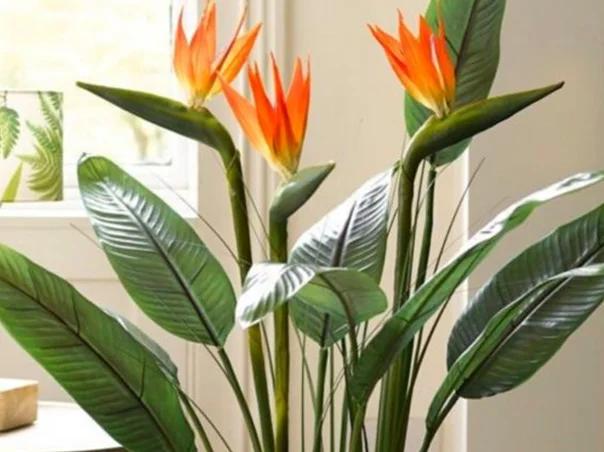
The Bird of Paradise plant, scientifically known as Strelitzia reginae, is a striking ornamental plant admired for its dramatic foliage and exotic, bird-like flowers. Native to South Africa, it is widely cultivated as a houseplant and landscape feature in warm climates.The plant has large, banana-like leaves that are glossy, deep green, and arranged in a fan-like pattern, giving it a bold, tropical appearance even when not in bloom. Its iconic flowers resemble a brightly colored bird in flight, featuring vivid orange sepals and blue petals, which is the origin of its common name.

Yucca

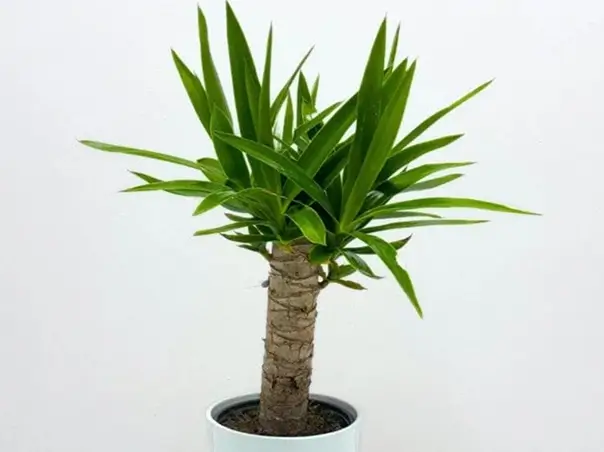
The Yucca is a bold, architectural plant known for its sword-shaped leaves and strong, upright growth. Native to arid and semi-arid regions of North and Central America, yucca plants are highly drought-tolerant and thrive in bright, sunny conditions. Their long, pointed leaves grow in rosettes and are typically deep green, though some varieties feature variegated patterns with creamy white or yellow edges. The leaves are thick and slightly rigid, giving the plant a sculptural, dramatic appearance that makes it popular in both indoor and outdoor landscapes.

Cactus Group

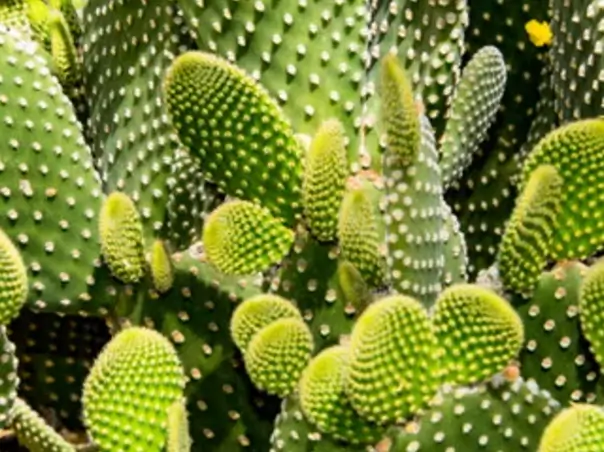
Many families of plants contain succulent (i.e. water storing) species that have adapted to the arid climates of deserts and semi-deserts. Many of these habitats are associated with high day-time temperatures and special mechanisms have evolved to collect and conserve the limited moisture that is available, sometimes only from dews, mists and fogs. Convergent evolution has often resulted in similar solutions to the problems of living in a harsh environment, and it may be obvious that similar looking plants belong to different families only when they are flowering. 

King Sago

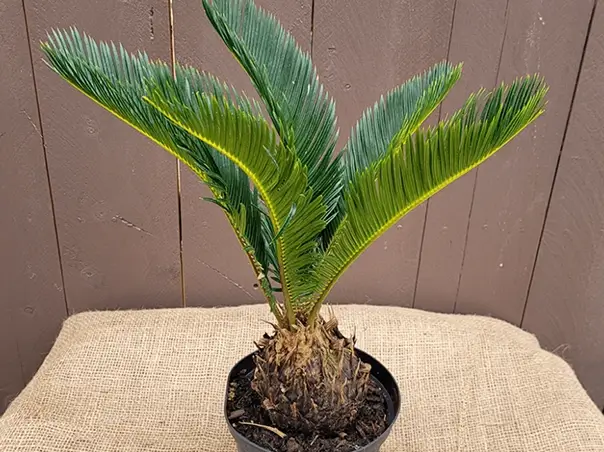
This palm has a stout, shortish trunk about 6" in diameter with a crown of pinnate curving fronds. The fronds are shiny green and black measuring 9' long by 1½' wide. The leaves have a fine texture. It produces an orange colored fruit. This palm is a slow grower.