Snake Plant

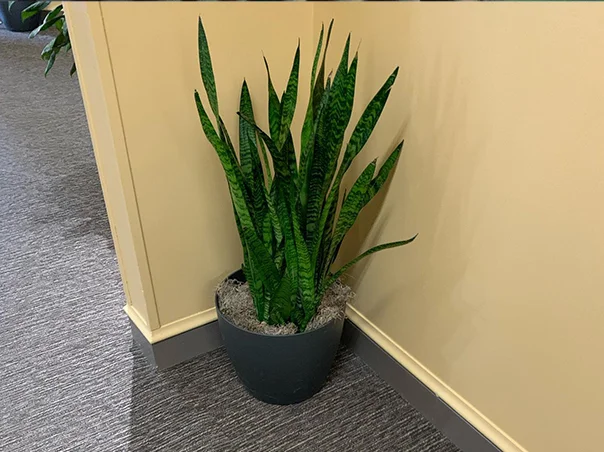
The Snake Plant, botanically known as Dracaena trifasciata (formerly Sansevieria), is a highly durable and popular indoor plant prized for its striking upright foliage and exceptional adaptability. It is native to tropical West Africa and is well-suited to a wide range of indoor environments.When grown indoors, Snake Plants usually reach 1–4 feet in height, depending on the variety. Due to their hardy nature and minimal care requirements, they are an excellent choice for homes, offices, and beginners in plant care.

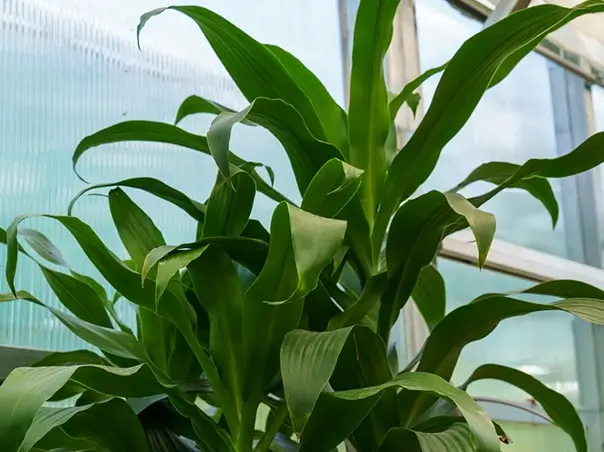
ZZ Plant

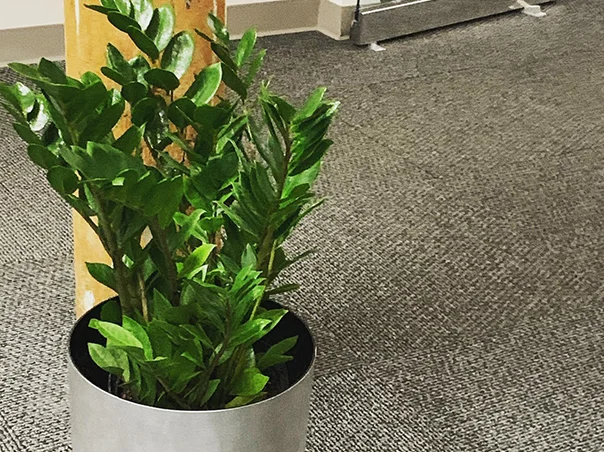
The ZZ Plant, scientifically known as Zamioculcas zamiifolia, is a highly resilient and attractive indoor plant valued for its glossy foliage and minimal care requirements. Native to Eastern Africa, it is well adapted to drought-like conditions and low-light environments.

The plant features thick, smooth, oval-shaped leaves that grow along upright, fleshy stems, giving it a polished and modern appearance. Its deep green, waxy leaves not only enhance its ornamental appeal but also help the plant retain moisture, contributing to its exceptional hardiness.
Golden Pothos

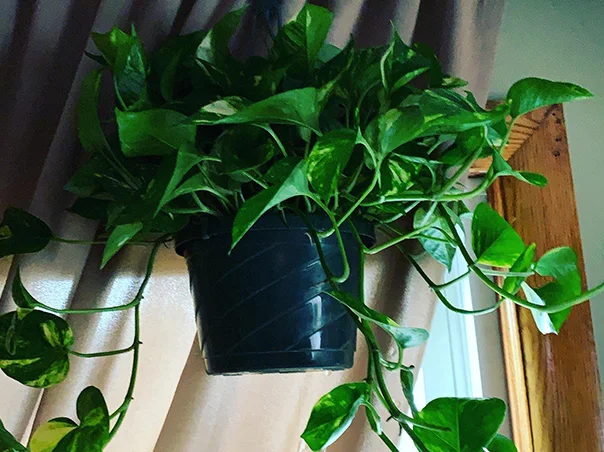
Pothos is a tropical plant but, unlike many true tropicals, it doesn’t resent a little exposure to cold drafts, dry air or even drought. Because it grows in the forest under story it is also adapted to very low light levels. These characteristics of toughness make it an ideal houseplant. About the only thing that will kill pothos is to let it sit in water. Any excess water that accumulates around the base of the pot should be drained away after each watering. It will occasionally get mealy bugs or spider mites, but these insect pests are usually not fatal.

Janet Craig

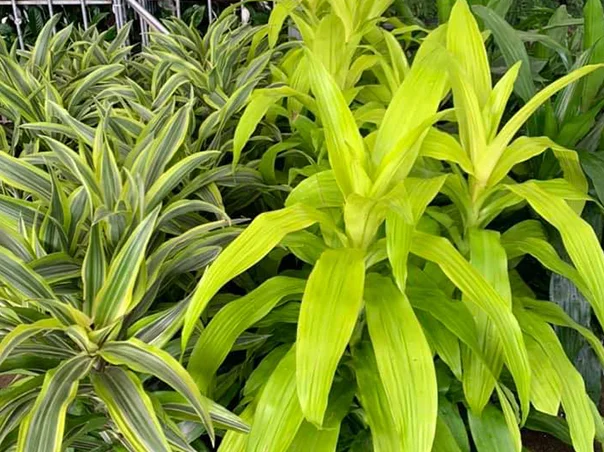
Janet Craig's are noted for their dark green glossy leaves and their tolerance for low light. Like many other members of the dracena family they like slightly dry soil. With dry soil their leaves lose their gloss and become cupped. Soil kept too moist promotes brown and yellow spots on the inner new growth. After a few years, these plants will acquire what we call age spots. Fluoride in the water is a main cause of this problem. Once these spots appear the condition is irreversible.

Emerald Beauty Plant

Emerald Beauty is a hardy and useful shrub for Australian gardens. Emerald Beauty can be used as a specimen plant, or as a hedge screen. Emerald Beauty will last very well as a cut flower in mixed floral arrangements. Care is needed after cutting the flowers to scrape the bark from the lower 10cm of stem before putting in water.

Arrowhead Plant

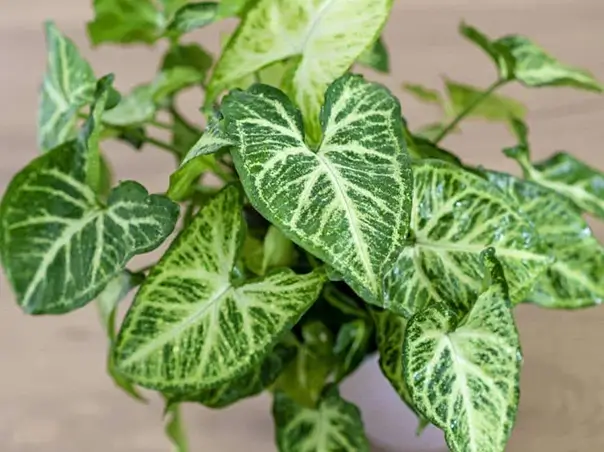
These are called syngonium or arrowhead plant since they produce leaves shaped like arrowheads. The leaves are produced on long stems and have many variegated color patterns and shapes. Some syngoniums are dwarf and others large, some are compact with short stems and others are vining.

They are often sold as nephthytis, a genus to which they are closely related but which is rarely available.

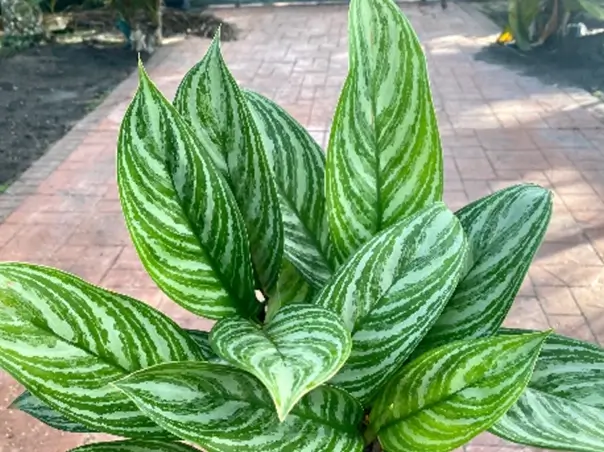
Stripes Plant

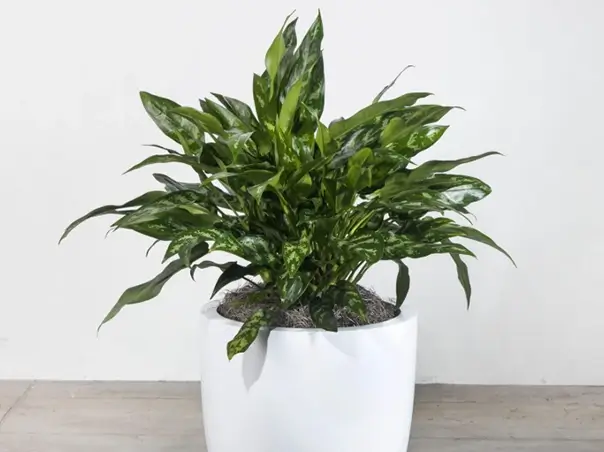
Chinese evergreen, or aglaonema, is a versatile low light, low growing, durable plant. They are produced in many different varieties. The foliage is either silvery green with some dark green or the reverse, mostly dark green with light green streaks. Take precautions to keep the plant in temperatures above 55°. Chinese evergreens get a mottled brown spotting on the leaves when they have gotten too cold. The damage is irreversible. These plants will have stunted new growth and rotten stalks if the soil is kept too moist. The plant will loose lower yellow leaves if the soil is too dry.

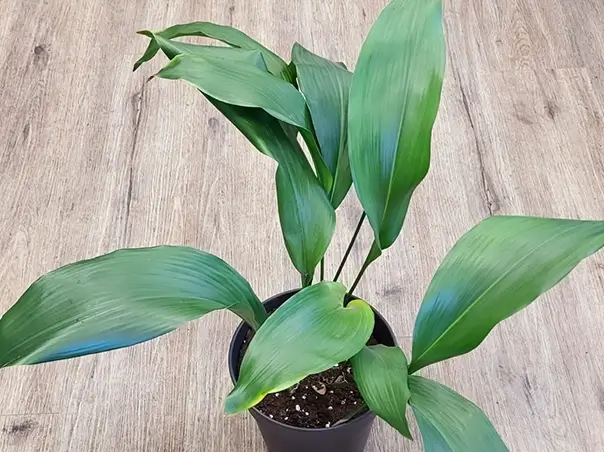
Aspidistra Plant

Cast Iron Plant is named for its tolerance of adverse growing conditions. The plant grows in low light but needs more light in winter. If given full sunlight in summer, the leaves fade. Water when the soil surface has dried and provide temperatures of 50 to 55 degrees at night and 70 degrees during the day. Repotting is done in March.

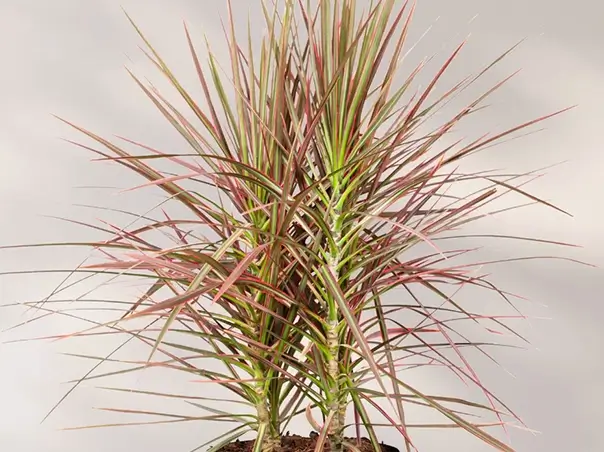
Exotic Marginata Plant

Marginata is used in the outside landscape of south Florida and the Caribbean, and has been grown for indoor use for decades. During this period of time it has developed into a dependable workhorse for the interior landscaper. Marginata is produced from cuttings and air-layers. The many forms available of marginata has proven to be one of its strongest assets in popularity. Over the years growers have developed new "terms" and styles.

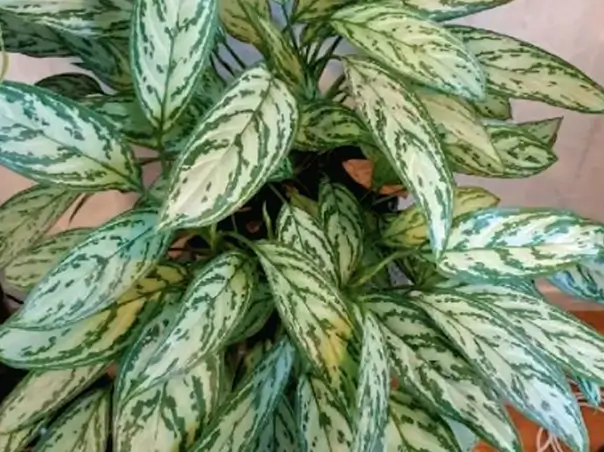
Silver Queen Plant

Chinese evergreen, or aglaonema, is a versatile low light, low growing, durable plant. They are produced in many different varieties. The foliage is either silvery green with some dark green or the reverse, mostly dark green with light green streaks. Take precautions to keep the plant in temperatures above 55°. Chinese evergreens get a mottled brown spotting on the leaves when they have gotten too cold. The damage is irreversible. These plants will have stunted new growth and rotten stalks if the soil is kept too moist. The plant will loose lower yellow leaves if the soil is too dry.

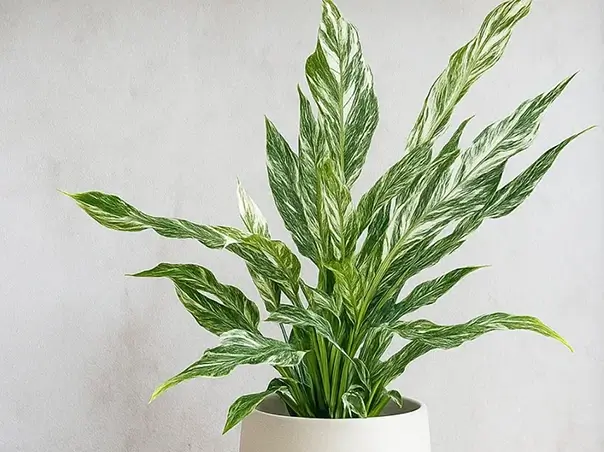
Dwarf Peace Lily

A plant that has shiny foliage with a tropical arum flower (spadix) and white or yellow spathe. The flower and spathe last a long time and make the plant quite attractive. A beautiful house plant for the table or floor. Different species are different size groups. S. 'Mauna Loa' is a common larger version, which remains in flower almost all year.

Warneckei Plant

Warneckei are sold both in short bushy and tall cane forms. They grow slow so try to get the height you want right off the bat. Brown and yellow edges on the new growth usually signals that the plant's soil is too moist. Solid yellow or brown lower leaves signal dehydration. Water heavier or more frequently.

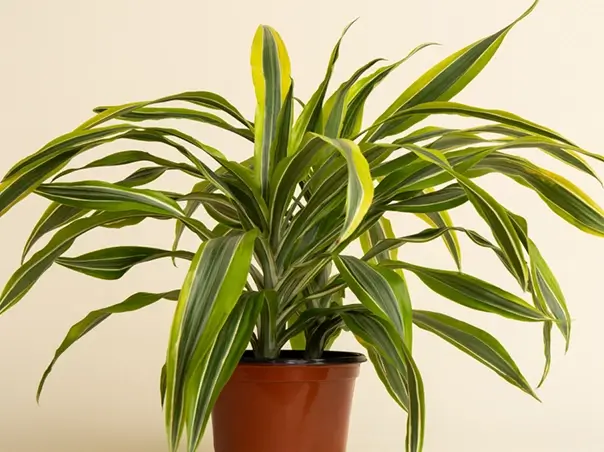
Michiko Cane

Janet Craig's are noted for their dark green glossy leaves and their tolerance for low light. Like many other members of the dracena family they like slightly dry soil. With dry soil their leaves lose their gloss and become cupped. Soil kept too moist promotes brown and yellow spots on the inner new growth. After a few years, these plants will acquire what we call age spots. Fluoride in the water is a main cause of this problem. Once these spots appear the condition is irreversible.