Bromeliads
Areca Palm
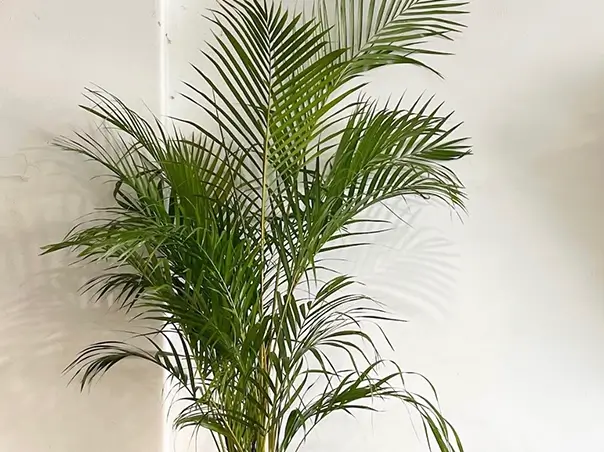
Chrysalidocarpus lutescens (Areca lutescens) is usually referred to as Areca palm, but has also been called yellow palm, butterfly palm, yellow butterfly palm, cane palm and golden feather palm. Stems are many clustered, slender, and sometimes branching. Areca palms may reach 30 feet tall. Leaves are ascending, curved at the apex with sheaths and petioles yellow or orange tinged. This palm originated in Madagascar and is widely grown outdoors in the tropics. In temperate zones they are popular as specimen plants for indoor use because they can tolerate relatively low light conditions.
Croton
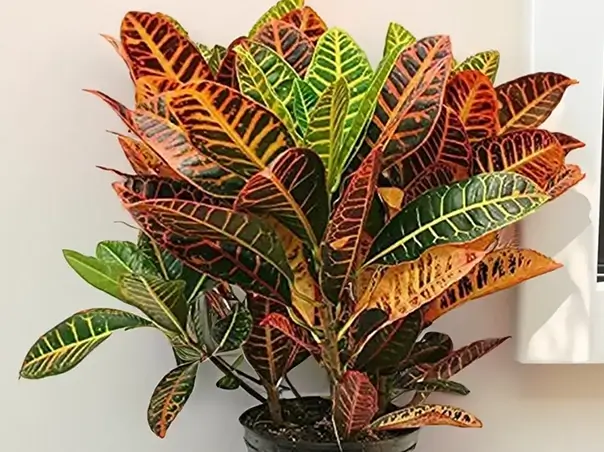
The Croton can be tricky to look after; its main needs are warmth with a minimum temp. of 60'F and a high humidity. Achieve the latter by standing the pot on a tray of moist pebbles and mist the leaves regularly. During a mild shower of rain stand your plant outside to freshen it up. Indoors place your croton on an east or west facing windowsill away from cold draughts. Water well in the growing season, preferably with tepid water, and feed at this time of year using a good houseplant fertiliser. During the winter let your plant have a rest by watering sparingly and cease feeding.
Arboricola Tree
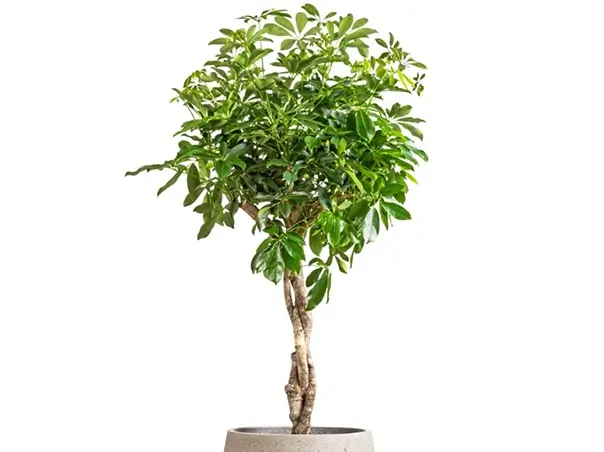
The tree form, or "standard," offers height; the bush form covers space. Leaves that turn black and drop off signals that the soil has stayed too moist. The tips of these plants will wrinkle if they have gotten too dry.
They grow wildly, but it is easy to keep them shaped by either tip pruning or removing whole stem sections. It is O.K. to get radical, it will grow back.
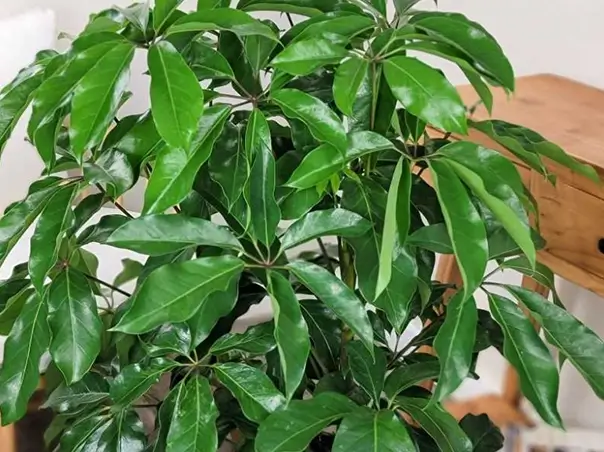
Dwarf Schefflera Busch
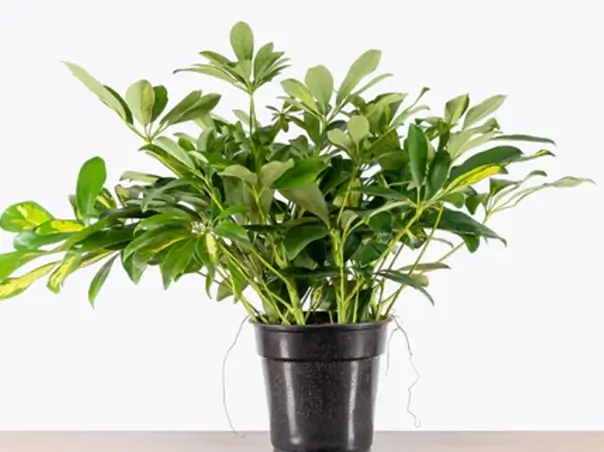
The tree form, or "standard," offers height; the bush form covers space. Leaves that turn black and drop off signals that the soil has stayed too moist. The tips of these plants will wrinkle if they have gotten too dry.
They grow wildly, but it is easy to keep them shaped by either tip pruning or removing whole stem sections. It is O.K. to get radical, it will grow back.
Schefflera Amate
'Amate' is basically an easy crop to grow. Points to stress for quality are timely crop spacing, well-drained soil mixes and proper nutrition. Like many crops, 'Amate' can become thin, uneven and appear top heavy if not spaced prior to internode elongation. 'Amate' can exhibit root problems when grown in heavy soil mixes or over watered. As a moderate to fast grower, a complete fertilizer, including micro elements, needs to be steadily available.
Growth rates can be reduced due to lack of nutrients, poor soil drainage and/or root restriction. Grow and ship from light levels between 30 to 63% shade (3,000 to 6,000 foot candles). Finish grow times vary with climate and pot sizes, but most Florida growers can produce two crops in 10 inch pots per year.
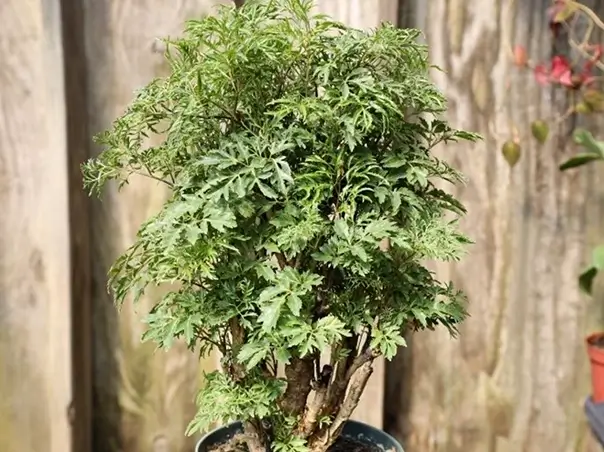
Black Aralia
The aralia family (Araliaceae) is composed of 84 genera of herbs and woody plants ranging from vines to trees (2), including the genus, Polyscias. Within Polyscias, there are approximately 80 species of trees and shrubs indigenous to Polynesia and tropical Asia, most of which are commonly called aralias. Many aralias are useful interior plants and landscape plants in tropical areas of the world. Leaves of Polyscias are arranged alternately on the stem and are usually compound. Several cultivars have attractive variegated foliage.
False Aralia
False aralia is a hard to grow house plant requiring medium light intensity. Allow the soil to dry only slightly between waterings. Ideal temperatures are between 60 and 85 degrees. The plant is injured by the low humidity found in homes in winter. Leaf drop occurs when the plant is transferred from a greenhouse to a home.
Propagation is by stem cuttings.
Ming Aralia
Several types of Polyscias are grown as house plants. They require full sun to bright light and moderately moist but not constantly wet soil. Polyscias are not watered as often in winter. Keep temperatures above 55 degrees with ideal temperatures between 60 and 85 degrees. Repotting is done in February or March. Do not place Polyscias in direct sun after repotting.
Fishtail Palm
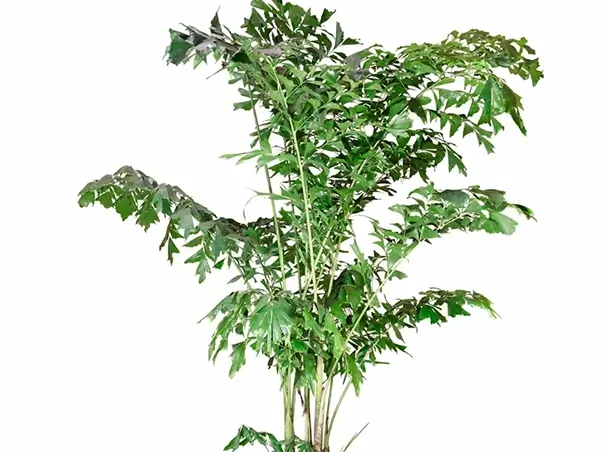
The Fishtail Palm is an eye catching clustering specimen palm. It is suitable for sub-tropical and tropical climates and will do well in containers or indoors. Of the tribe Caryoteae, and subfamily Arecoideae it is also known by the botanic name Caryota mitis. Clustering Fishtail Palms are native to Southeast Asia.
Bamboo Palm
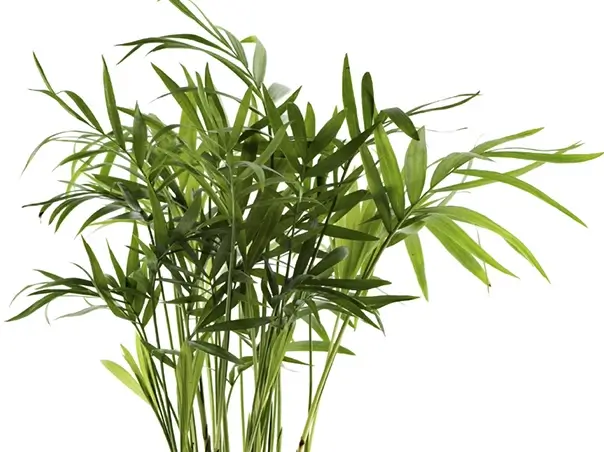
This attractive indoor palm produces long bamboo-like canes which in time form a tall, columnar shaped plant, perfect for todays interiors. In common with other Chamaedoreas it tolerates low light well, requires a rich soil with an abundance of water and is generally reliable, and exceptionally easy to look after. Keep it out of direct light, feed during the growing season, and keep the soil just moist all the time.
Neanthe Palm
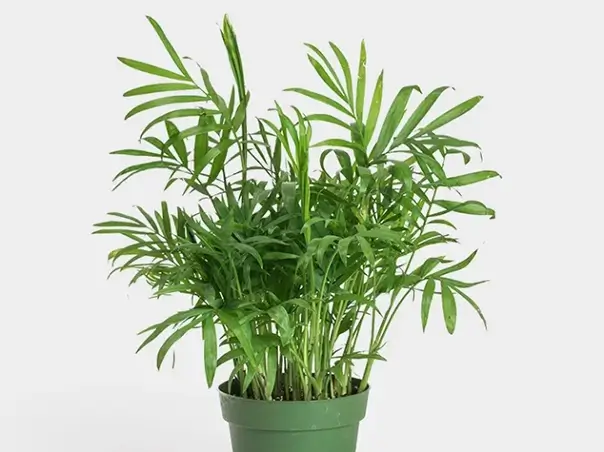
Neanthe palm tolerates low light intensity and needs some shade during the summer. Use a well drained soil kept moderately moist. The plant can stay in one container until quite pot bound. Ideal temperatures are between 60 and 80 degrees. The leaf tips turn brown if the plant is exposed to drafts, low humidity, or if overwatering.
Propagation is generally by seeds.
Kentia Palm
The Kentia palm has a slender, straight trunk with a light thatch. The fronds are light and lacy giving it a delicate appearance. This beautiful tree will grace any living space. Formerly thought to be primarily for indoor use, this palm grows well in Southern California. Moderate growth rate; maximum height: 30 feet; all light conditions; moderate water usage; moderate drought tolerance. Frost tolerance to 28 degrees.
Pigmy Date Palm
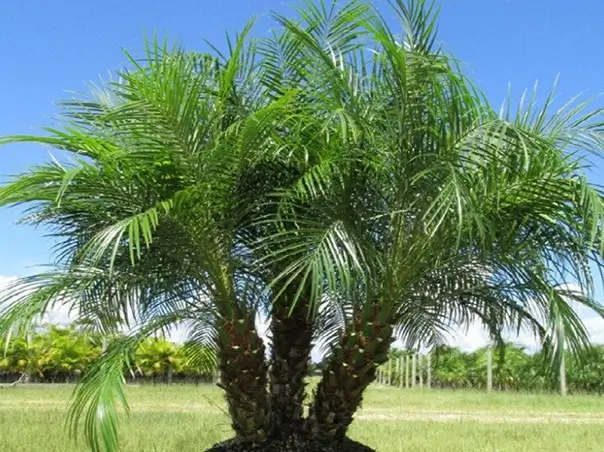
Palms are woody monocots native to the tropics. There are many palms which make good indoor plants. Many get large quickly and require frequent repotting but others grow more slowly. Some have single trunks and others have multiple trunks. Palmately and pinnately compound leaves are both common. Since most palm trees grow in the shade of tropical forests until they get tall enough to reach the direct rays of the sun, they tolerate relatively low indoor light for many years. Palms may be monoecious or dioecious. Female plants are required for fruits on those that have showy fruits. Many palms become large with age and outgrow their location but make attractive, manageable house plants for several years. Edible palms produce coconut, dates and palm oil and they have numerous uses in and around the home and market in the tropics. It has pinnately compound leaves on a straight, attractive trunk.
Ponytail Palm
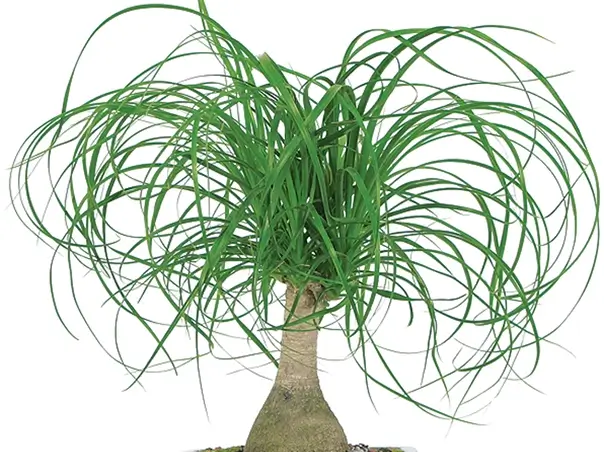
The ponytail palm takes its name from its resemblance to hair cascadeing out of a ponytail. It's also called a "bottle palm" because its trunk becomes a bottle like bulb at soil level. Because of its massive size the plants are mostly root-bound. While they can store water in their bulb, and use their water slowly, they probably don't have a lot of soil in their pot. If the roots become too dry the lower leaves turn brown or yellow and the plant looks a little ashy.